Cook Until It Looks Right: My Failed, Funny Quest to Write Down My Father's Cooking
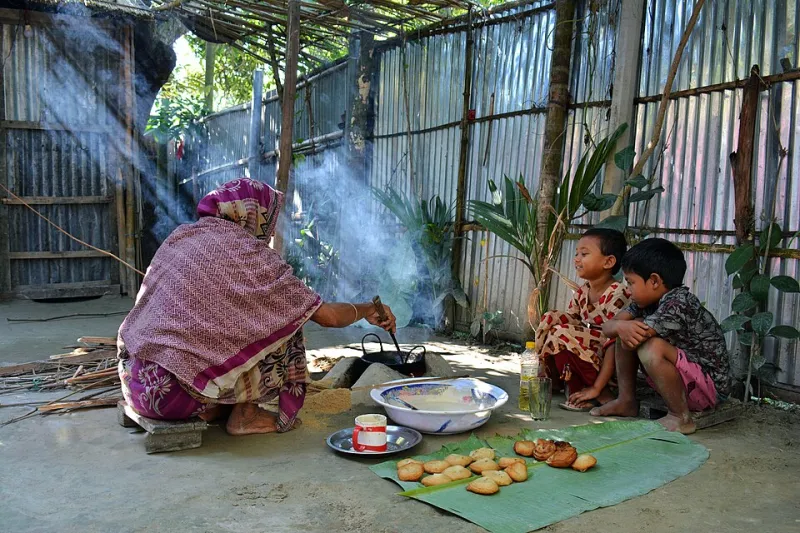
Photo: Shafiul Islam Shaikot, CC BY-SA 4.0, via Wikimedia Commons
My father has been cooking the same braised pork dish for forty years. It is, objectively, the best thing that comes out of our family's kitchen. When I asked him for the recipe last spring, he sent me a text that read, in its entirety: "soy sauce, a little sugar, the rest you just watch."
The rest you just watch. Fantastic. Thank you, Chef.
The Interrogation Begins
So I did what any reasonable adult child would do: I showed up on a Sunday with a notebook and the energy of a health inspector. Every time he reached for a bottle, I asked how much. Every time, the same answer.
"Dad. How much soy sauce."
"Enough."
"Enough is not a unit."
"It is if you've made it enough times."
And there it is — the whole problem in one exchange. The best cooks in our families aren't withholding anything. They genuinely don't know. They're not following a recipe; they're following a feeling that got installed decades ago and never came with documentation.
What Actually Worked
After a month of failing with questions, I switched tactics, and this is the part worth stealing:
Stop asking how much. Start asking what it looks like. "How much oil?" got me nothing. "What does the pan look like when there's enough oil?" got me "shiny but not pooling," which is honestly more useful than a tablespoon count.
Ask about the senses in order. What do you smell when it's time to add the garlic? What does the sound change to when the heat's right? He had answers for all of it. He'd just never been asked.
Film everything. I propped my phone against the pepper grinder and recorded three full sessions. Watching the footage later, I caught things neither of us could articulate — how long he actually let the sugar sit before touching it (longer than he claimed), how he'd tilt the wok at a specific angle without seeming to notice.
Cook it wrong on purpose. This one felt disrespectful, but it worked. I made his dish with too much sugar. He physically could not stop himself from correcting me, mid-bite, in detail. Criticism turned out to be a better measuring cup than any question I'd asked.
The Written Version Is a Translation, Not a Copy
The recipe I finally wrote down is two pages long and full of phrases like "the sauce should coat the spoon but slide off easy." A food scientist would faint. But my sister made it last month from those pages and texted me a photo of her empty pot, and that's the whole point.
You're not trying to capture the recipe. You're trying to capture the cook — the habits, the tells, the little of this. Write down enough of those and the dish follows.
Do it soon, though. The window on "just watch" closes faster than any of us want to think about.