Cash Only, Stuffed Animals Welcome: Life Inside My Daughter's Living Room Diner
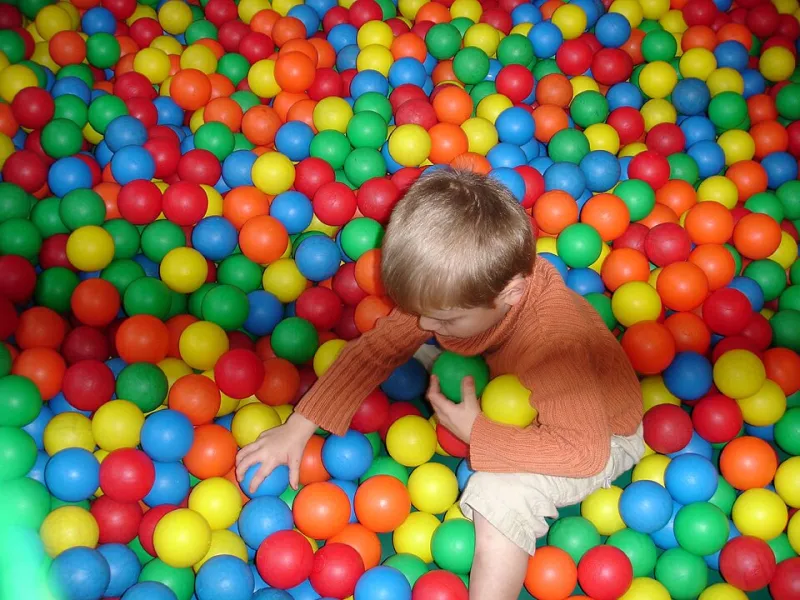
Photo: Julie Kertesz from Paris neighbourhood, France, CC BY 2.0, via Wikimedia Commons
Last Tuesday I paid eleven dollars — play money, but the invoice was real — for a grilled cheese sandwich made of a folded orange construction paper slice. The restaurant was called "SPEEDY EATS." The server was seven years old, wearing a bathrobe as a chef's coat and a name tag that read MANAGER. The only other customer was a sloth plush named Gerald, who had been waiting for his order since the previous afternoon and, frankly, was handling it better than I would.
If you've ever been a kid or known one, you've been to this restaurant. It has no fixed address because it's everywhere: the living room, the backyard, the corner of the kitchen where the toy cash register lives. It is possibly the most universal small-business venture in human history, and it deserves a serious look.
The Menu Is Always Ambitious
Every kid restaurant has the same economics: wildly inflated prices, a menu written in crayon with at least one spelling that borders on art, and a kitchen stocked entirely with playdough, wooden blocks, and air. The pizza is always overpriced. The soup is invisible. The service can take up to forty-five minutes if the chef gets distracted by the dog.
My neighbor's son ran a place he called "THE CHEESE." It sold only cheese. His sister's establishment, "BOOKS AND SNAX," combined a café with a lending library, which is honestly a better business model than most real cafés have managed. A friend's daughter once charged her grandfather a "sitting fee" before he was allowed to be seated, and he paid it, because grandfathers understand how the economy works.
But here's what gets me, watching these operations from the couch: the play is never really about the food.
What's Actually Being Cooked
Watch closely and you'll see kids rehearsing something much bigger. When a five-year-old pats a crying "customer" (a bear with a button eye) and says your food is coming, I'm sorry for the wait — that's hospitality. That's the whole job, learned in miniature. They're practicing:
- Service under pressure. Taking three orders at once and remembering that Gerald doesn't like ketchup is working memory with stakes.
- Money and fairness. The cash register becomes a math lesson, a negotiation seminar, and occasionally a courtroom when one sibling accuses the other of counterfeiting.
- Care as a job. For the first time, someone else's satisfaction is their responsibility. It's a heavy thing, and they lift it joyfully.
There's also a quieter lesson in there for us adults. The kid restaurant never has a waitlist, never rushes you, and the manager will absolutely sit down and eat with you. Somewhere between childhood and our first restaurant job, a lot of us lose the part where feeding people is a pleasure.
How to Keep the Kitchen Open
If there's a small restaurateur in your life, your patronage matters more than you know. A few field-tested moves:
- Always order the special. Asking "what's good today?" gives them a chance to perform. Never order off-menu; the kitchen will panic.
- Pay absurdly and tip. Overpaying in play money teaches generosity, not inflation. Tip the manager directly.
- Complain gently, once. A mild "hmm, this soup is a little cold" lets them practice fixing a problem — a skill some adult establishments could use.
- Bring a guest. A stuffed animal customer doubles the cast and extends the play by an hour.
- Close the restaurant properly. When dinner's ready for real, ask the manager to lock up. Endings matter, and so does getting called to the actual table.
SPEEDY EATS closed permanently last month — the manager says she's "retired to focus on second grade." But last weekend I found a paper menu tucked behind the couch cushion, orange crayon fading, prices unchanged since the inflation crisis of last spring. I kept it.
Somewhere out there, the next great American diner is currently run by an eight-year-old who charges for refills. Go. Order the special. Bring cash.