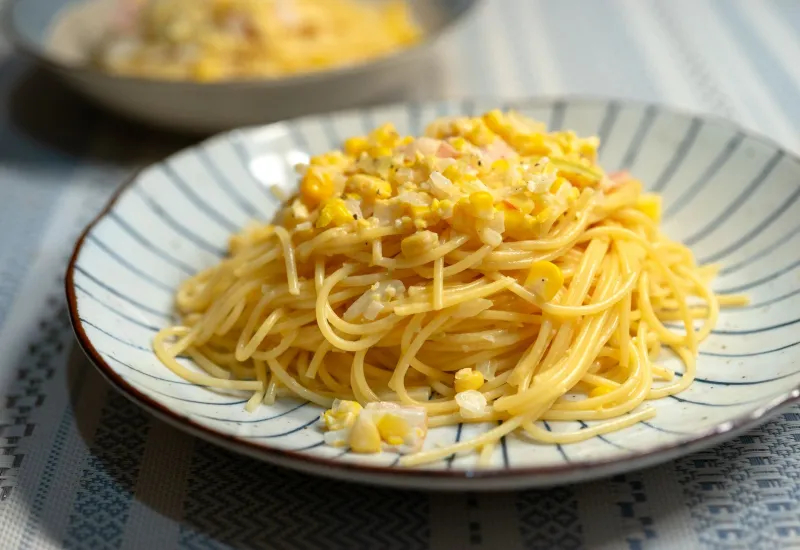
Trade You a Lasagna for That Curry: A Beginner's Guide to the Neighborhood Dish Swap
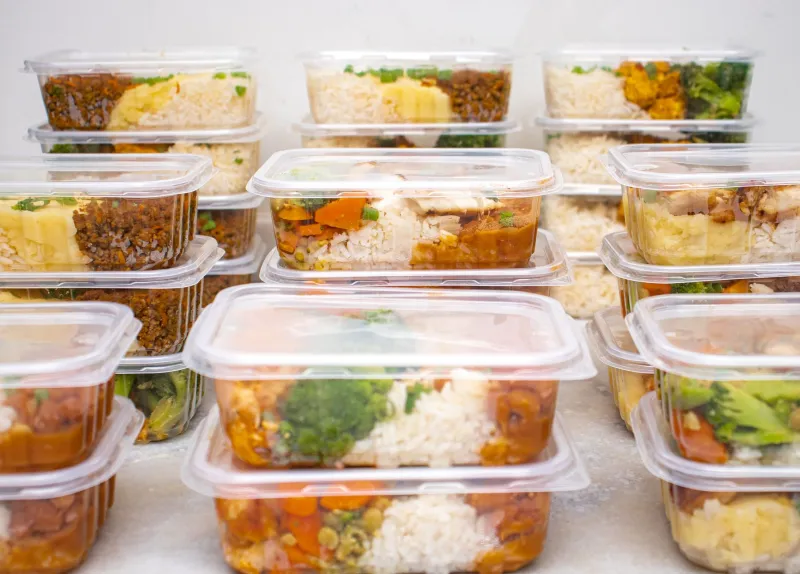
I know a woman on my street who has not had a meal alone on a Wednesday in two years. She doesn't belong to a club. She doesn't go to church. She runs something better: a dish swap. Every other Wednesday, six households on our block trade one homemade dish — full portions, meant to feed a family — and everybody walks home with dinner solved and a little less alone.
It costs nothing. It requires no personality transformation. And in an era when the surgeon general has formally declared loneliness a public health crisis, I'd argue it's the most underrated wellness practice in America.
Why the Potluck Died (and Why It Shouldn't Have)
Potlucks used to be infrastructure. Church basements, VFW halls, office break rooms in November — the potluck was how communities fed themselves and, not incidentally, how neighbors learned each other's names. Then we got busy, then we got anxious, then we got DoorDash, and somewhere along the line the collective casserole became something we associate with forced workplace fun.
But the dish swap fixes what made potlucks exhausting. Nobody hosts a full party. Nobody cooks twelve dishes. You make one thing, you drop it off or exchange it, and you go home. It's a potluck with the social pressure surgically removed — all of the connection, none of the small talk unless you want it.
The Starter Kit: Hosting Your First Swap
Keep the first one tiny. Invite three to six households. Big groups kill the intimacy; small groups build the habit.
The invite, done right: Skip the elaborate Evite. A text works: "Hey — trying a dish swap. Make one dinner-sized portion of something you like, trade with the group, take home someone else's. [Date], 5–6 p.m., my porch. In?" That's it. Low stakes, clear ask, built-in exit.
Set one rule: label your food. Name, main ingredients, spice level. This matters for allergies, yes, but also for the guy who thinks "medium" salsa means "suggestion."
Pick a consistent rhythm. Biweekly or monthly. The magic is in the repetition — it stops being an event and becomes a fixture.
No requirements on skill. A slightly lopsided banana bread is currency. A jar of decent homemade soup is gold. Nobody's judging plating on a porch.
The Unwritten Rules Nobody Wrote Down
Every swap community develops etiquette fast. Here's the canon:
- Return the dish. If someone's lasagna arrives in a glass pan, your leftovers go back in that pan, washed. This is law.
- Never trash-talk your own dish into oblivion. A self-deprecating "it's nothing fancy" is fine. "Sorry, this is terrible" forces everyone to lie and makes the exchange weird.
- Trade generously. If someone gives you a slow-braised brisket, don't hand back a bag of baby carrots. The economy runs on rough equivalence over time, not exact change every swap.
- Communicate dietary stuff upfront, not after you've gone home hungry.
- Show up even when you didn't cook. Store-bought with a story beats absent with an excuse. (Most groups allow one "bought it" swap per season. We're not monsters.)
- What's said at the porch stays at the porch. Half the therapy happens in the five-minute handoff conversation. Honor it.
The Real Exchange Rate
Here's what surprised me most about our swap. The food is great — we've traded bibimbap for enchiladas, gumbo for dumplings, a lebanese cousin's kibbeh for a retired teacher's chicken and noodles. My family's dinner rotation has tripled in diversity without a single new cookbook.
But the actual product isn't the food. It's the ledger of small debts and favors. When my furnace died in January, I knew exactly which neighbor to call, because I'd eaten her mother's jollof rice twice that fall. When the new family moved in across the street, they got absorbed into the swap before they'd finished unpacking. You cannot buy that with a welcome basket.
Sociologists call this "weak-tie community" — the casual, recurring, low-pressure relationships that research consistently links to wellbeing and even longevity. The dish swap manufactures weak ties on a schedule. It's a friendship subscription with a food dividend.
Start Small, Start Wednesday
If you take one thing from this: don't plan a party. Plan a handoff. One dish, four neighbors, a porch, a text message. The lasagna-for-curry economy doesn't need a committee. It needs one person willing to be the first to say, "I'll trade you."
Your dinner is already cooked. Somebody else's is, too. The only thing missing is the introduction.