Before the Recipe Card Fades: A Practical Guide to Saving Your Family's Food History
Somewhere in your family, there's a dish that only one person makes correctly. Maybe it's your mother's gumbo, your father-in-law's pierogi, the tamale assembly line that only happens every December. And maybe you've already heard the phrase that should stop your heart a little: "I just eyeball it."
That phrase is how recipes die. Not dramatically — quietly, one generation at a time. The good news: rescuing your family's food heritage is very doable, and you can start this weekend.
Step One: Interview the Cook, Not the Recipe
The biggest mistake people make is asking for a recipe. What you actually want is a demonstration. Handwritten cards can't capture the sound of the onions when they're ready, or the way a dough "feels right," or the ten-second pause before someone decides the sauce needs more of something.
So bring your phone. Prop it up on the counter. Record video while your relative cooks, and ask questions in real time:
- "What are you looking for when you know it's done?"
- "How do you know when to add the next thing?"
- "What would you do differently if you were making this in summer?"
- "Who taught you this?"
That last question matters most. The dish is the artifact, but the story — the uncle who brought the recipe through Ellis Island, the church cookbook from 1974, the substitution made out of wartime necessity — is the actual heirloom. Ancestry and genealogy interest has exploded over the past decade, but most family trees are missing the juiciest branch: what everyone ate.
Step Two: Translate "A Pinch of This"
Family recipes are written in a dialect that makes no sense to outsiders. Here's your conversion guide:
- "A pinch" → have them physically pinch it while you measure. It's usually 1/8 to 1/4 teaspoon, but their pinch is the one that counts.
- "Cook till done" → ask for time, heat level, AND visual cues. "Medium-low for about 40 minutes, until the edges pull away" is a recipe. "Till done" is a riddle.
- "A stick of butter, more or less" → the "more or less" is the entire recipe. Find out what less does and what more does.
- Brand names → capture them. "The blue box" or "the good parmesan, not the green can" is information, not snobbery.
Then do the unthinkable: make the dish with them, once, standing next to them. Write down what your hands did, not what their mouth said.
Step Three: Digitize Before the Cardstock Gives Out
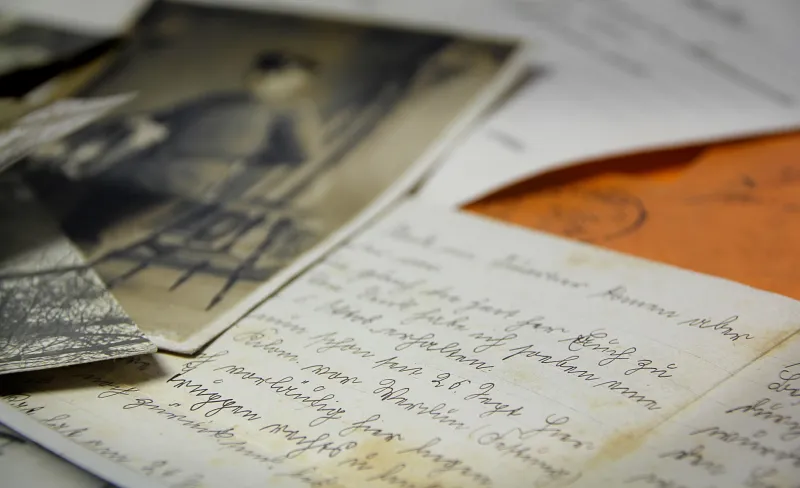
That shoebox of index cards is not archival. Grease, humidity, and time are working against it. A simple system:
- Photograph every card, front and back, including stains and margin notes. Those scribbles often contain the real recipe.
- Transcribe into a shared doc — a Google Doc or a dedicated app like Recipe Keeper or Paprika works fine. Include the photos alongside the transcription.
- Save the original handwriting as an image. When your grandmother's chicken and dumplings card is gone, her handwriting will be the closest thing you have to her voice in the kitchen.
- Back it up somewhere that isn't just your phone. Cloud storage, a family shared drive, even an emailed PDF to your siblings.
Step Four: Make It a Living Document, Not a Museum
The recipes that survive are the ones people actually cook. Instead of a locked PDF nobody opens, start a family cookbook project — even a sloppy shared doc where cousins add photos of their attempts, argue about whether the casserole needs crackers on top, and note adaptations for allergies or dietary needs.
A recipe that gets argued about is a recipe that stays alive.
Start With One Dish
Don't try to archive everything this weekend. Pick the single most important dish — the one that would genuinely break your heart to lose — and go record it. Then work outward.
The index cards can wait. The cooks can't. And ten years from now, when you pull up a video of your grandmother explaining why the dough needs to rest "until it stops being mad at you," you'll be very glad you had your phone on the counter.