Twelve Chairs, One Loud Table: Lessons From My Aunt's Sunday Dinners
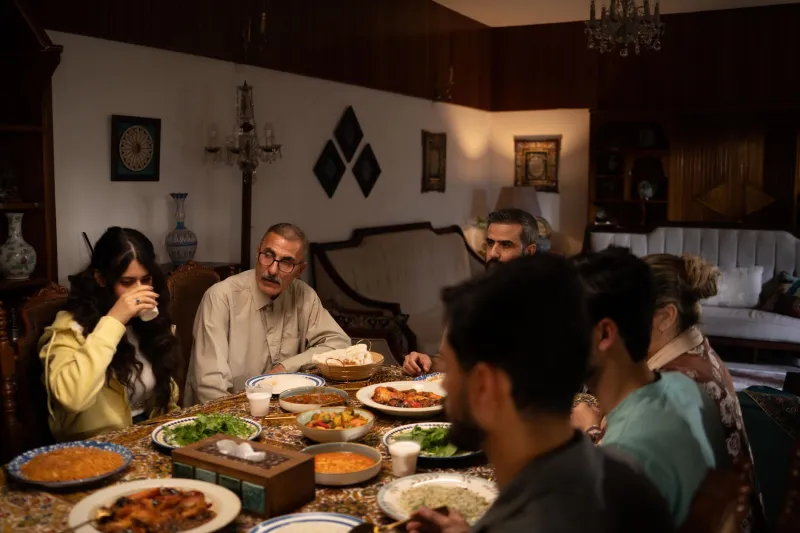
My aunt's dining table was never meant to seat twelve people. It was a modest four-seater, the kind you'd find at any yard sale in Ohio. But every Sunday, extra chairs appeared from the garage, a folding table leaned against the wall, and somehow, fourteen of us squeezed in with elbows touching and second helpings already being negotiated.
I didn't appreciate it then. I was a teenager with a flip phone, counting the minutes until I could escape to the basement with my cousins. What I see now, two decades and a thousand rushed desk lunches later, is that my aunt wasn't just feeding us. She was running a small, weekly operation in belonging.
The Table as a Technology
We tend to think of community as something that happens organically — a neighborhood block party, a book club that sticks. But my aunt's dinners suggest something less romantic and more practical: community is scheduled. It repeats. It has a start time of 5 p.m. and a rule that you don't leave until you've had pie.
There's real research behind this. Studies on family meals consistently link regular shared dinners with lower stress levels in kids and stronger family communication. But the numbers miss the texture of it — the way my uncle would retell the same fishing story until everyone groaned, the way arguments about politics somehow ended in someone refilling someone else's tea.
The table, it turns out, is a technology for staying in each other's lives. And like any technology, it works only if you use it consistently.
What Made It Work
Looking back, a few unwritten rules made those Sundays sustainable:
- Nobody cooked alone. Everyone brought something, even if it was a bag of rolls. Potluck wasn't a workaround for my aunt — it was the point. Shared labor meant shared ownership.
- The food was unfancy. This was ham, mashed potatoes, green bean casserole from a can. Nobody performed. The low stakes kept everyone coming.
- Kids had a role. Little ones set the table, spilled the juice, got forgiven. Learning that you have a job at the table is learning that you belong there.
- The phones stayed in the basket by the door. Not because my aunt read some study — she just thought staring at screens at dinner was rude. She was right.
Rebuilding the Ritual in Your Own Home
Most of us can't replicate a fourteen-person Sunday gathering, and that's fine. The principle scales down beautifully. A few ideas that have worked for friends of mine:
Start absurdly small. One recurring meal a month is enough. Put it on the calendar, invite two other households, and let it grow on its own. Consistency beats ambition.
Make it potluck from day one. Asking people to bring a dish isn't imposing — it's inviting them to invest. My rule of thumb: the host handles the main, guests bring everything else, and nobody apologizes for store-bought.
Adopt a phone basket. Buy a cheap one, put it by the door, and make the drop-off part of the ritual. The first ten minutes feel strange. The next ninety feel like a gift.
Let the table get crowded. Mismatched chairs, a folding table, kids eating early at a side table — imperfection signals welcome. A styled table can intimidate; a crowded one says sit down, there's room.
End with something sweet and unhurried. Dessert was when the real conversations happened at my aunt's house. Adults lingered, kids dozed on couches, and the evening stretched. Don't rush the last course.
Why It Matters Now More Than Ever
We're living through what researchers call an epidemic of loneliness, with more Americans eating alone than ever before. The antidote isn't grand — it's a casserole dish and a recurring calendar invite.
My aunt passed away a few years ago, but the dinners didn't stop. They migrated. My cousin hosts now, in a house with an actual big table, and the folding chairs come out of her garage the same way they came out of his mother's. The fishing story still gets told. Everyone still groans.
That's the quiet magic of a table that keeps getting used: it outlives the person who set it. Start yours this month. Bring the rolls. Nobody will remember what you cooked. They'll remember that you were there.