Butter, Salt, and a Handful of Change: Remembering the Snack Counter That Never Judged You
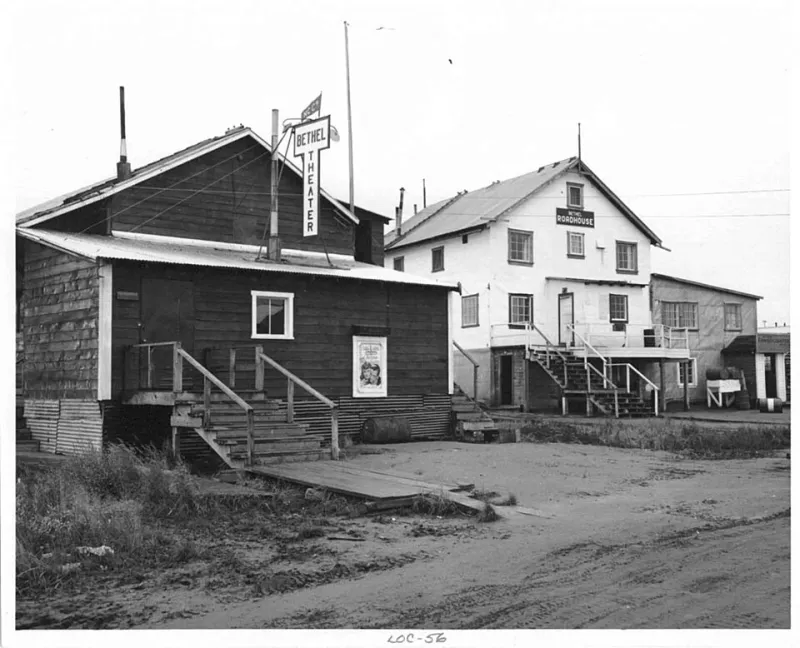
Photo: Haddon E P, U.S. Fish and Wildlife Service, Public domain, via Wikimedia Commons
The popcorn machine at Delmar's Video was older than the video store itself. Delmar bought it secondhand from a shuttered bowling alley in 1987, and by the time I was old enough to bike across town with a five-dollar bill folded in my sock, that machine had opinions. You had to let it warm up. You had to respect the oil-to-kernels ratio, which only Delmar's wife, Ruthie, fully understood. And you had to be patient, because good things — butter, mostly — take time.
I thought about that machine recently when I drove past the old strip mall and saw a phone repair kiosk where the rental shop used to be. No trace of the counter. No trace of the candy case with the broken hinge that everyone just... worked around. It got me wondering what happened to all the little concession stands that fed American childhoods.
More Than a Snack
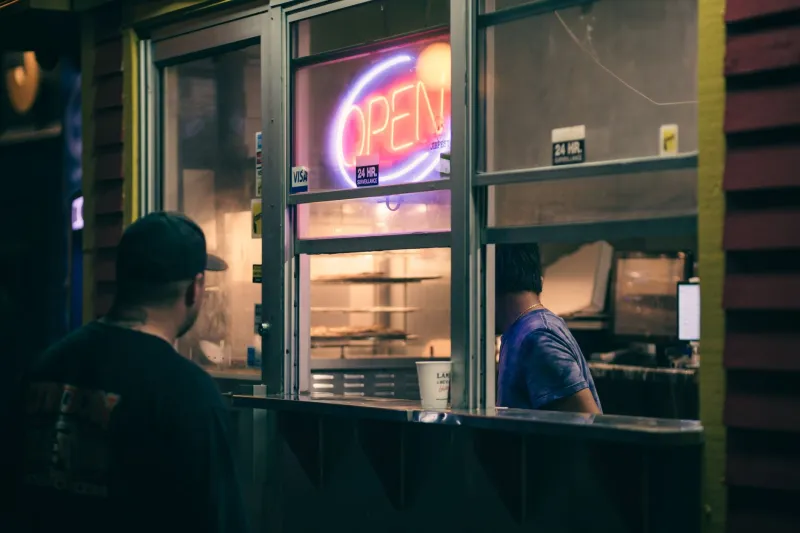
Here's the thing about a small-town snack counter: nobody was there for the food, exactly. The nachos were a crime against geometry. The pretzels came from a freezer bag. But the counter itself — that was a place. It was where you learned that a dollar buys less than you think and a quarter buys more than you'd expect. It was where the swim team pooled change for one enormous cherry Icee and five straws, because that's what friendship looked like at thirteen.
These counters ran on their own quiet rituals. The regulars didn't order; they just held up fingers. The kid behind the register knew which mom wanted the popcorn fresh fresh, meaning made that minute, not scooped from the warmer. There was an unwritten ledger of small debts — a nickel here, a "you're good, pay me Tuesday" there — that nobody ever audited and everybody honored.
In that way, these little stands weren't so different from the family restaurants and corner markets this site loves to write about. They were small businesses run by people who lived above the store, literally or figuratively, and whose names were on the lease and the awning and the Christmas card list of half the town.
The Vanishing Act
So where did they go? The obvious answer is streaming — why rent a tape when the movie lives in your pocket? But the decline started earlier and ran deeper. Big-box stores started selling candy at prices a tiny counter couldn't touch. Rents climbed. Health codes that made sense for a stadium were burdensome for a stand selling forty hot dogs a summer. And the economics of a snack counter were always razor thin: you made money on popcorn and soda, and everything else was basically a favor to the neighborhood.
When the anchor business died — the video store, the bowling alley, the pool that couldn't afford lifeguards — the counter went with it. Nobody mourns a nacho machine in the abstract. But drive through enough small towns and you'll notice the absence has a shape. There's nowhere to buy one bottle of soda anymore. There's nowhere a kid can walk to. Everything requires a car, a cart, a subscription.
The Holdouts
The good news: they're not all gone. There's the drive-in theater outside of Dayton that still pops its corn in a machine from the Eisenhower era, and the family that runs it swears the secret is the decades of seasoning soaked into the walls. There's a pool concession in a Minneapolis suburb where the same woman has worked the window every summer since 1994 and will absolutely cut off a kid who's had three Push Pops. That's not a policy. That's a relationship.
And there's the hardware store in rural Wisconsin — I won't say which town, because they asked me not to — that keeps a candy case in the aisle with the paint. Not for the profit, the owner told me. "For the foot traffic. And because my mother would come back and haunt me if I got rid of it."
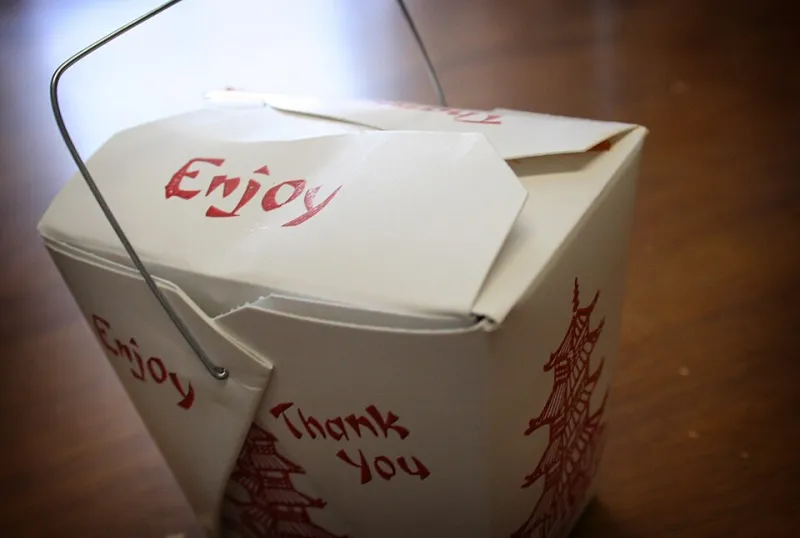
That's the thread that ties all the survivors together: somebody behind the counter for whom the stand was never just a business. It was the family's place in the town. You see the same thing in the Chinese restaurant that's been on the corner since 1982, the diner where three generations have worked the griddle, the bodega that fronts a loan to a regular because that's what you do. The food is the product. The staying is the point.
What We Actually Miss
I don't think I miss the popcorn, honestly. It was fine. What I miss is the specific feeling of being known by a transaction — walking up to a counter and having someone already reaching for what I wanted before I said it. That's a kind of intimacy big retail can't replicate at any price.
The snack counter taught me that a community is built out of small, repeated exchanges. A dollar, a scoop, a joke, a see-you-tomorrow. If there's still one near you — a pool stand, a drive-in window, a candy case in a hardware store — go buy something you don't need. Overpay if you can. Tip the jar.
Ruthie would've said the machine was still warm anyway.