The Booth by the Window: Why Every Town Needs Its A Dong
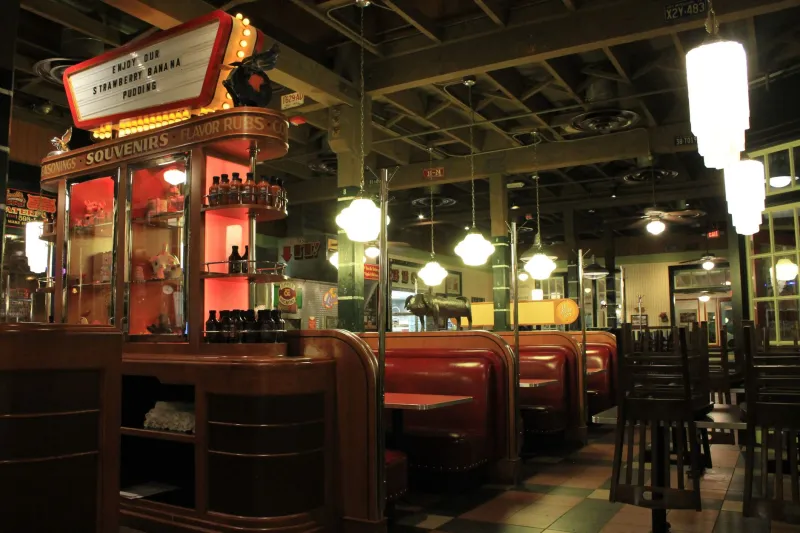
Every town has one. Maybe it's called Lucky Dragon. Maybe it's Golden Wok, or Happy Garden, or — if you're lucky — A Dong. It sits in a strip mall between a nail salon and a vacant storefront, and its parking lot has exactly four spaces that anyone actually uses. Inside: red vinyl booths, a fish tank with one depressed-looking goldfish, and a teapot that arrives at your table already boiling.
We don't write enough about these places. Food media fawns over tasting menus and $90 omakase, and sure, fine. But the Chinese-American restaurant with the laminated menu is doing something no Michelin inspector will ever credit: it's holding a town together.
The Menu That Time Forgot
Walk in and you know the drill before you open the menu. Egg rolls. Crab rangoon. General Tso's chicken with a glaze so glossy you can check your reflection. Moo goo gai pan, which — let's be honest — nobody orders but everybody respects.
These menus aren't boring. They're stable. In a country where the restaurant industry churns through concepts the way teenagers churn through personality phases, there's something radical about a place that has served the same pork fried rice since 1987. The menu didn't change because the regulars didn't want it to. That's not stagnation. That's trust.
And underneath the American classics, there's usually a second life happening. Ask the right questions and the kitchen might send out something closer to what the family actually eats — a whole steamed fish, a bitter green stir-fried with garlic, a soup that never appears on any printed menu. The American menu paid the bills. The real menu fed the family. Both deserve respect.
The People Behind the Pass
These restaurants are overwhelmingly family operations, and the family is usually all in. Mom runs the register and remembers your kid's name. Dad works the wok station with a rhythm you could set a metronome to. The kids — and there are always kids — do homework at a corner table until it's time to fold takeout boxes.
The work is brutal. Twelve-hour days, six or seven days a week, most of the year. Christmas Day is often the busiest shift of the calendar, because the rest of the town is off work and hungry and the family is, once again, cooking. There's a bittersweet joke in Chinese-American restaurant families that the holiday they celebrate most is the one they never get to sit down for.
And still, they show up. They learn the town's rhythms — which order is the fire station's standing Friday pick, which table wants extra mustard, who lost a spouse this year and needs the corner booth and a little extra attention. That's not transactional hospitality. That's community care with a wok.
The Quiet Disappearance
Here's the hard part: these places are closing faster than we're noticing, and the reasons are structural, not culinary.
The founders are aging out, and their kids — who grew up bussing tables instead of going to birthday parties — mostly chose different lives. Fair enough. Rent in strip malls keeps climbing while delivery apps take a 30% cut of already-thin margins. The buffet model that sustained many through the 90s collapsed during the pandemic and never came back. And pandemic-era stigma, ugly and well-documented, hit these businesses with a double whammy right when they could least afford it.
When one closes, the town loses more than lunch. It loses the place where the debate team celebrated, where the widower eats every Tuesday, where two generations of Little League teams got their trophy dinners. Nobody puts up a plaque when it goes. There's just a new vape shop, and a lot of people saying "remember when?"
How to Be a Regular Before It's Too Late
You don't save these places with sentiment. You save them with Tuesday nights. Some practical moves:
Order from the menu, not the app. Third-party delivery skims nearly a third off the top. Calling in a pickup order puts that money back in the register.
Tip like it's sit-down service, even on takeout. It usually is, just without the booth.
Ask what the kitchen likes to make. That question opens doors — and occasionally, off-menu dumplings.
Bring people. These restaurants run on volume and regulars. A birthday party of twelve does more for the books than a hundred good intentions.
Say the thing. Tell the person at the register that you've been coming for years and you hope they're here for years more. Small sentence. Real effect.
Landmarks, All of Them
We'll drive hours to stand in a famous dining room and post about it. Meanwhile, three miles from our house is a restaurant that has fed the same community for four decades without a single article written about it.
That's the A Dong effect. It's not about any one name. It's about the quiet institution — the family that fed your town through recessions and snowstorms and every Friday night you couldn't be bothered to cook. Fine dining asks to be admired. These places ask for something harder and better: to be needed.
So go be needed. The tea's already hot.