The Tab in the Back Room: What We Lose When the Corner Market Shuts Its Door
There's a certain sound a rolling security gate makes at 6 p.m. on a Tuesday — the final Tuesday, when the sign taped to the glass says it all: Thank you for 31 years. Everything must go.
I heard it last spring when Kim's Market, two blocks from my first apartment, closed for good. And I've been thinking about it ever since, because what shut down that day was bigger than a store.
The Arithmetic That Never Adds Up
Run the numbers on a small independent grocery and it's a wonder any of them survive at all. Rent climbs. Wholesale prices jump. Card processing fees nibble three percent off every gallon of milk. And then there's the delivery app problem — the reason a lot of us haven't walked a real aisle in months.
Owners I spoke with described it as a squeeze from both ends. One, who asked me not to use his name because his landlord reads the same local Facebook groups he does, put it plainly: "The building is worth more without me in it."
That's the whole business model crisis in one sentence. A corner market generates maybe $700,000 a year in sales if it's lucky. The same footprint, converted to a condo lobby or another vape shop, does that for a landlord without a single 5 a.m. produce delivery.
The Tab Nobody Tracks Anymore
Here's something the big chains never offered and the apps never will: the tab.
At Kim's, there was a spiral notebook behind the register. If your paycheck landed awkwardly that week, you took your groceries home anyway and squared up on Friday. Mrs. Kim — everyone called her that, though I'm fairly sure her name was different — never announced it. She just flipped the notebook open, made a small pencil mark, and handed you your bags.
Economists would call this informal credit. Neighbors call it something closer to trust. Either way, it's a financial service that no algorithm has replicated, and it quietly kept a lot of families fed through a lot of lean Octobers.
When the store closed, the notebook — with a few pages still marked — went in the trash. Nobody came to collect. That's how you know it was never really about the money.
Produce Picked Over, In Your Favor
My mother used to send me to the market on Eastern Parkway with a list and a warning: don't let Mr. Diaz choose the tomatoes for you. Of course, Mr. Diaz choosing the tomatoes for me was exactly the point.
He knew we made sauce on Sundays. He knew my mother liked them a little past ripe. So when the good case came in, a few pounds got set aside under the counter — not the display — for us. The supermarket experience, by contrast, is a democracy of bruised peaches. Everyone gets equal access to the same sad pile.
That kind of curation is invisible in any economic analysis. You can't put a dollar figure on someone remembering that your kid is allergic to nuts, or that you'll want the challah on Thursday because Friday is busy. But ask anyone who lived near a store like this and they'll describe it in exactly those terms.
What Actually Replaces It
Here's the uncomfortable part: the corner store doesn't get replaced by another corner store. It gets replaced by a gas station, a Dollar General, or a thirty-minute delivery window from a warehouse you'll never see the inside of.
Each of those serves a function. I'm not here to romanticize my way out of the fact that delivery is a lifeline for a parent with three kids and no car. But the warehouse doesn't know your name, and the gas station definitely doesn't extend you credit. What fills the gap is a food desert with a slick app on top.
Some cities are experimenting — zoning protections for legacy grocers, grants for storefront repairs, co-op conversions when an owner retires. Those help at the margins. But most of the loss happens faster than any policy can move.
Go While You Still Can
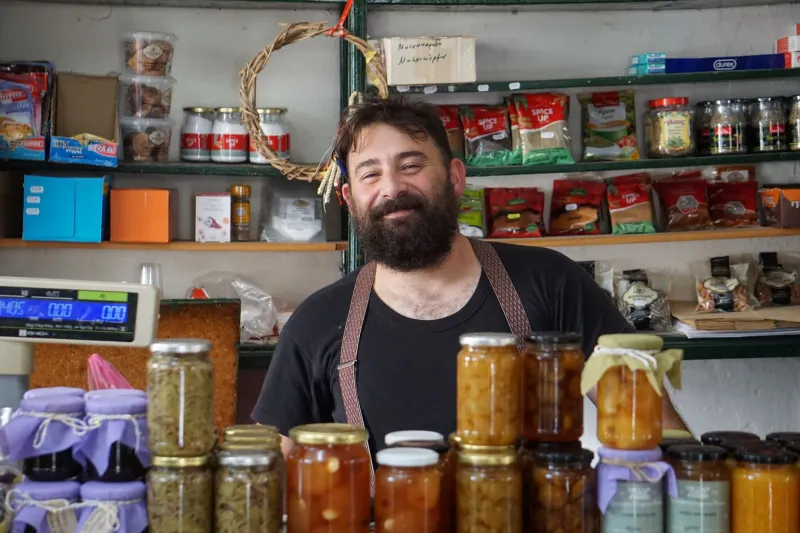
I don't want to end on a eulogy, because plenty of these stores are still open — the Korean market with the perfect napa cabbage, the bodega where the sandwiches are better than anything within a mile, the little international grocery where the owner will tell you exactly how her mother makes the dish you're holding the ingredients for.
So here's the pitch, and it's a small one: go in person this week. Learn one name. Ask what's good. Buy the thing they picked out for you.
The tab in the back room only exists as long as someone's behind the counter to keep it.