Confessions of a Yellow Sticker Hunter: Why the Discount Meat Case Is My Favorite Aisle
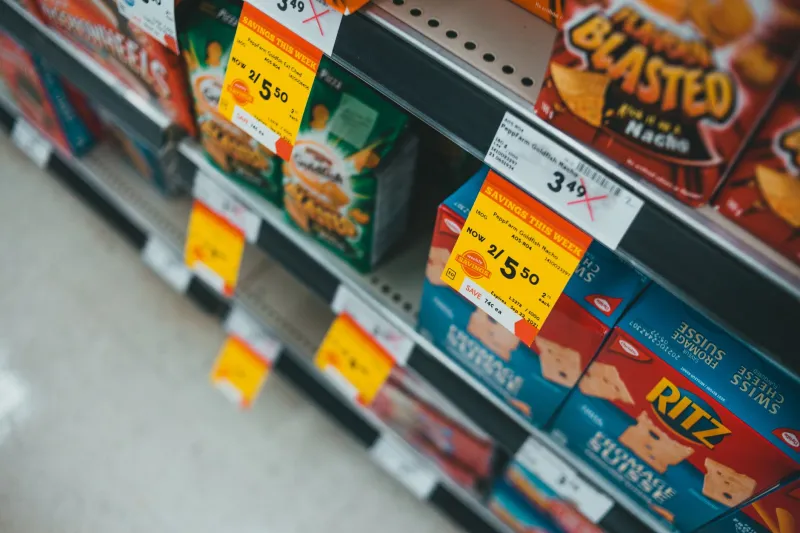
I used to walk past the discount section like it was a stranger selling something on the sidewalk. Now I plan entire weeks around it.
It started during a stretch when money was tight — the kind of tight where you do the mental math at the register before the cashier finishes scanning. One morning, waiting on a prescription pickup next to a Kroger, I wandered the store to kill time and found a pack of boneless chicken thighs marked down to $2.12. The sell-by date was that day. I bought four packs, froze them all, and ate like a queen for two weeks.
That was three years ago. I haven't paid full price for meat since.
The Markdown Schedule Is Not a Secret, But It Might as Well Be
Every store has a rhythm, and once you learn it, you're basically shopping with insider knowledge. Most major chains — Kroger, Safeway, Albertsons, your regional independent — mark down meat the evening before or the morning of the sell-by date. In practice, that means:
- Early morning, 7–9 a.m.: Yesterday's markdowns are fresh on the shelf. Retirees and shift workers know this. Now you do too.
- Early evening, 5–7 p.m.: Bakery and deli items get slashed for the day's end. Rotisserie chickens that didn't sell are a legendary find here.
- Day after a holiday: This is the Super Bowl of clearance shopping. July 5th, December 26th, the day after Easter — anything festive and perishable gets a sticker.
Ask a meat department employee when they typically mark things down. They will tell you. It is genuinely the worst-kept secret in American grocery shopping, and yet the racks are never empty.
What to Actually Do With It
The golden rule: markdown meat goes into the freezer the day you buy it, not the day you plan to eat it. If the package is cold, within its sell-by date, and doesn't smell off, freezing stops the clock. Ground beef, chicken thighs, pork shoulder, even those sad single pork chops nobody else wants — all freeze beautifully for three to four months.
A few things I've learned the hard way:
- Repackage before freezing. Those Styrofoam trays leak. A zip-top bag and a permanent marker with the date will save your freezer from mystery icebergs.
- Buy the weird cuts on purpose. Markdown racks skew toward things shoppers don't recognize — lamb shoulder, beef short ribs, half a pork belly. These are, coincidentally, the best cuts for braising. The discount section is accidentally a charcuterie education.
- Check the seal, not just the date. If the packaging is puffy or the liquid inside looks cloudy, walk away. Discount is a discount, not a dare.
The $3.49 Steak Problem
Here's the thing nobody warns you about: once you start, you can't stop. Last month I found a ribeye, a legitimately nice one, marked down from $18.99 to $3.49 because the sell-by date was the next afternoon. I texted three people about it. I thought about it at work the following day.
There's something almost philosophical in it. The whole system of full-price groceries runs on convenience and habit — we pay extra to not think. The yellow sticker section rewards exactly the opposite: attention, timing, a little planning. It's shopping as a small act of rebellion against the markup.
It's also, quietly, an anti-waste move. Every discounted package you buy is food that would otherwise be tossed. Stores actually order more inventory when markdown items move. You're not scavenging; you're closing the loop.
Start Small
If you're curious, don't restructure your whole life on a Tuesday. Next time you're at the store, just walk past the meat counter and look. That's it. Notice the stickers, note the times, grab one thing. Cook it that night or freeze it that day.
Worst case, you saved four dollars. Best case, you join the rest of us at 7:45 a.m., coffee in hand, comparing ribeyes by the cartful.